
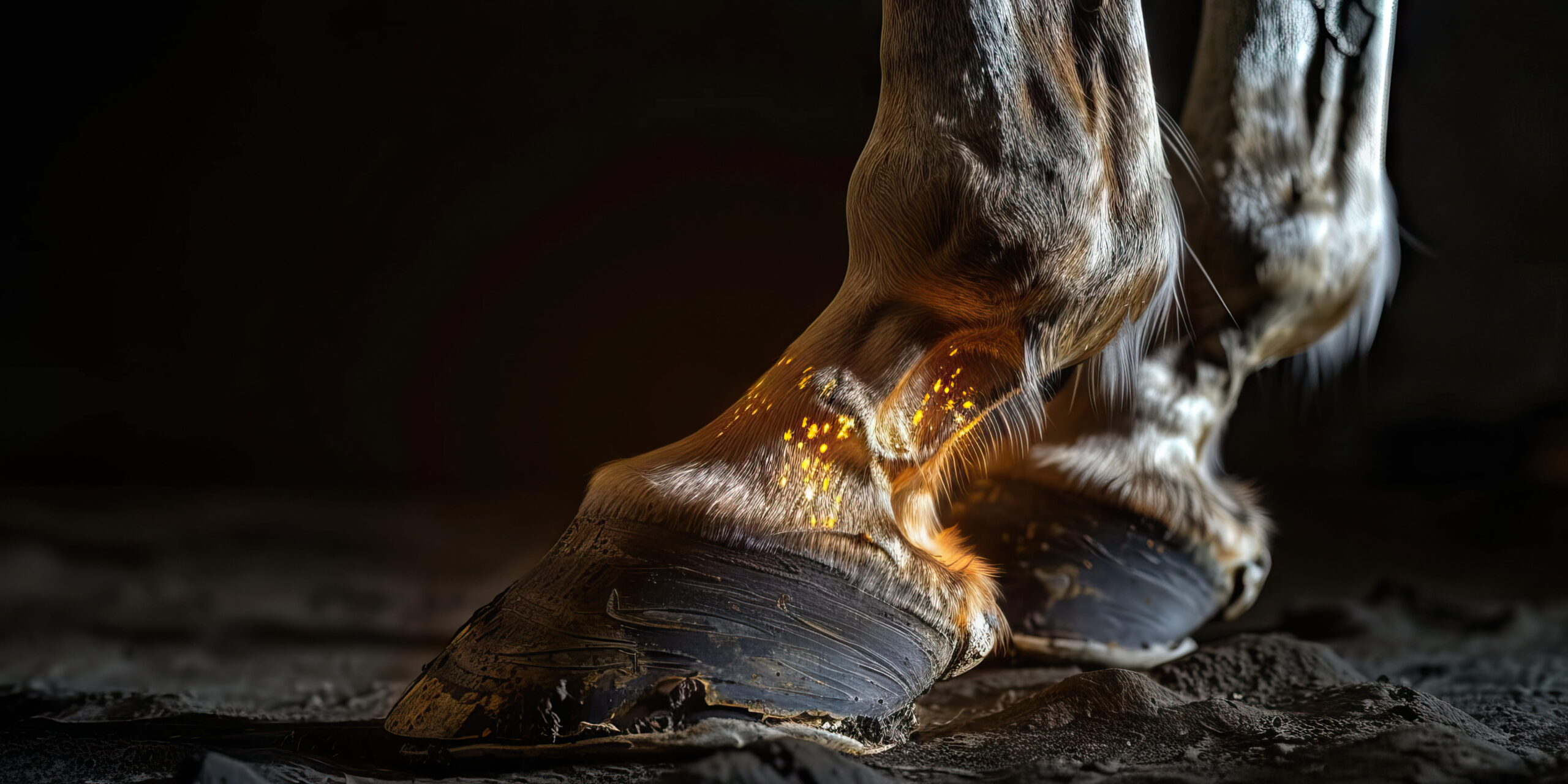
Navicular is one of those diagnoses that changes a horse owner’s relationship with their horse in lasting ways. The management conversations that follow, with veterinarians, farriers, and other horse owners who have been through it, involve a long list of considerations: shoeing approaches, turnout management, footing, nutrition, exercise protocols, and the ongoing question of what else might support the horse’s daily comfort alongside the primary care plan. When Mikko’s Choice horse owners managing navicular discuss where CBD fits into that picture, the answer is almost always the same: as a consistent part of the daily wellness routine that complements the veterinary and farrier work rather than substituting for any of it.
This guide covers how CBD may fit into a horse’s daily routine when navicular is part of the management picture, and how to think about consistency, timing, and the broader care context in a way that is realistic and responsible.
Navicular Management Is Always a Team Effort
Before discussing where CBD fits, it is worth being clear about what navicular management actually involves, because CBD is most useful when it is understood as one component of a broader program rather than as a standalone solution.
Navicular syndrome involves the navicular bone and associated structures in the horse’s hoof, and effective management almost always requires collaboration between the owner, the veterinarian, and the farrier. Shoeing and trimming approaches that reduce biomechanical stress on the navicular region are typically central to the management plan. Veterinary interventions may include medication, joint therapies, or imaging to monitor the condition’s progression. Turnout management that provides consistent, appropriate movement without excessive concussion on hard footing supports the horse’s overall hoof health and circulation.
Nutrition and body condition management are also part of the picture, because excess body weight increases the load on compromised hoof structures and good nutrition supports overall tissue health. Exercise management that maintains the horse’s fitness and circulation without pushing past the comfort threshold the current condition allows rounds out the primary management toolkit.
CBD fits into this picture as a daily wellness supplement that supports the horse’s overall routine and daily comfort alongside these primary management strategies. It does not replace any element of the veterinary or farrier care plan, and any horse with a navicular diagnosis should continue to receive regular professional evaluation regardless of what supplements are part of the daily routine. CBD for horses, a complete guide, covers the broader context for CBD use in equine wellness routines that forms the foundation for the navicular-specific discussion here.
Building CBD Into the Daily Routine for a Horse on a Management Plan
Horses being managed for navicular are typically already on a fairly structured daily routine that includes specific feeding schedules, supplement programs, and exercise or turnout protocols designed around their condition. Adding CBD to this routine is most successful when it is integrated into an existing routine rather than introduced as a separate additional step. For example, adding to daily grain is a simple way to incorporate it into a horse’s care.
For most horses, their routine feeding is the most practical time to give CBD because it is the most consistent part of the daily routine and the point at which other supplements are typically given. Adding CBD pellets or tincture to grain alongside existing supplements keeps the routine unified rather than adding a separate step that is more likely to be missed on busy days.
Choosing the right CBD product for your horse with Mikko’s Choice covers the format and product selection considerations that help owners decide between pellets and tinctures for horses on structured daily management programs.
Consistency as the Foundation of Daily Comfort Support
One of the most consistent themes in conversations with horse owners who use CBD as part of a long-term management routine is that consistency matters far more than any specific timing or protocol. A supplement given reliably every day at the same time in the same amount produces a more stable and predictable contribution to the horse’s daily wellness picture than one given intermittently or adjusted frequently.
This is particularly relevant for horses being managed for a long-term condition like navicular, where the management approach is measured in months and years rather than days and weeks. Building CBD into the routine as a non-negotiable daily habit, the same way the farrier visit regularly and the veterinary recheck schedule are built into the management plan, gives it the best chance of contributing meaningfully to the horse’s ongoing daily comfort.
Horses on navicular management programs also tend to have more structured exercise and turnout routines than horses in general work, and CBD timing can be built around those routines in a way that makes practical sense. Many owners find a specific time that is best for them to feed supplements, and this routine keeps supplementation consistent. Enhancing horse wellness with Mikko’s Choice covers the routine-based approach to daily equine wellness that forms the foundation for long-term supplement consistency.
Footing, Turnout, and the Broader Comfort Picture
CBD as a daily supplement works best when the other elements of the horse’s management plan are also working well, and for navicular horses, the footing and turnout environment is one of the most important variables in the overall comfort picture.
Horses managed for navicular typically do best with consistent turnout on ground that is neither extremely hard and concussive nor deeply soft and unstable. Firm, even ground with a small amount of give, well-maintained footing in the paddock or arena, and avoidance of surfaces that create excessive hoof impact all contribute to daily comfort in ways that no supplement can substitute for.
Consistent daily movement, even at a gentle level appropriate for the horse’s current condition, supports hoof circulation and overall musculoskeletal health in ways that extended stall rest does not. The exercise and turnout approach recommended by the horse’s veterinarian and farrier provides the framework within which daily movement is managed, and CBD used consistently alongside that framework contributes to the overall daily wellness picture.
Water and forage management, ensuring the horse has consistent access to good-quality hay and adequate hydration, supports hoof tissue health in ways that interact positively with the rest of the management program. CBD and horse health: a closer look at the daily wellness perspective on CBD use in equine management that applies across different health and performance contexts.
What to Communicate With Your Veterinarian
Any horse owner adding a new supplement to the routine of a horse under veterinary management for a specific condition should keep their veterinarian informed. This is not because CBD creates concerns in the context of navicular management, but because good veterinary care depends on the veterinarian having a complete picture of everything the horse is receiving, and transparency about the full supplement program supports better veterinary decision-making.
When discussing CBD with your veterinarian, framing it as a daily wellness supplement that you are adding to the routine alongside the existing management program is the most accurate description of what it is. Your veterinarian may have experience with other clients using CBD in similar contexts, and their perspective on how it fits within the specific management plan for your horse is worth hearing.
Our blog post, Can veterinarians recommend CBD, and does cannabis cover the current landscape around veterinarians and CBD, is a useful background for these conversations.
Monitoring and Adjusting Over Time
Long-term management of a condition like navicular requires ongoing monitoring and periodic adjustment of the management plan as the horse’s condition evolves. CBD use in this context follows the same principle: start with a consistent routine and monitor the horse’s overall daily wellness over time, rather than expecting immediate dramatic changes or making frequent adjustments based on day-to-day variation.
Keeping a simple daily log that notes the horse’s general demeanor, willingness to move, feed intake, and any notable behavior changes gives owners a useful reference for monitoring how the overall management program is working over time. This kind of log is useful for conversations with the veterinarian and farrier, because it provides a more objective record of the horse’s daily pattern than memory alone.
If the CBD routine is working well as part of the overall management program, the most important thing is to maintain it consistently rather than periodically stopping and restarting. Consistent daily supplementation produces the most stable contribution to the horse’s overall wellness picture over a long management horizon.
Real stories of Mikko’s Choice reviews and horses share experiences from horse owners using Mikko’s Choice as part of their horses’ daily wellness routines that provide useful context for owners at the beginning of a long-term management journey.
Frequently Asked Questions About CBD for Horses With Navicular
Can CBD replace any part of the veterinary or farrier care plan for a horse with navicular?
No. CBD is a daily wellness supplement that works as a complement to veterinary and farrier care, not a substitute for any element of it. Horses with navicular require ongoing professional veterinary evaluation and specialized farriery as the foundation of their management plan, and CBD is most useful when it is added to that foundation rather than used in place of professional care. Any changes to the veterinary or farrier management plan should be made in consultation with the professionals managing the horse.
When is the best time of day to give CBD to a horse on a navicular management program?
The morning is the most practical time for most horses because it is the most consistent part of the daily routine and the point at which other supplements are typically given. However, it can be given at any time that grain is consistently given daily. Giving CBD during the existing feeding point rather than creating a separate administration step keeps the routine simple and consistent. CBD dosage for horses offers practical guidance on thinking through timing and amounts for horses of different management contexts.
How long does it take to see whether CBD is contributing to my horse’s daily comfort?
Most owners who use CBD as part of a long-term management routine describe the changes from the addition of CBD as as something that becomes apparent over weeks rather than days, although sometimes the change is noticeable right away.. Keeping a simple daily log of the horse’s general demeanor and changes provides a more objective basis for assessing the supplement’s contribution rather than relying on memory alone. A horse’s dose may need to change after a week or two of consistent use. This is because every horse is different in what amount of CBD works for them. Generally, 100 mg once a day is a good place to start, but can be adjusted based on how your horse responds. For specific help email info@mikkoschoice.com.
Should I tell my veterinarian I am adding CBD to my horse’s routine?
Yes. Keeping your veterinarian informed about everything your horse is receiving, including BD supplements, supports better veterinary care and ensures their management plan is built on a complete picture of the horse’s daily routine. Most veterinarians are familiar with CBD use in horses and will appreciate the transparency.
Is pellet or tincture format better for horses on long-term management programs?
Both formats work well for long-term daily use, and the better choice depends on the individual horse and the existing feeding routine. Pellets mixed into grain are the most common format for horses already on a structured grain-based supplement program because they fit seamlessly into the existing routine. Tincture may work better for horses that sort their grain carefully or for owners who prefer direct administration. Understanding the different forms of CBD for animals, pellets versus tinctures, covers the format comparison in more detail.
Can I use CBD alongside the medications my veterinarian has prescribed for navicular management?
This is a question best directed to your veterinarian, who has the complete picture of your horse’s medical management and is best positioned to advise on how CBD fits alongside any prescribed medications. Keeping your veterinarian informed about all supplements in the horse’s routine, including CBD, ensures they can provide informed guidance on your specific situation.
Support the Full Routine, Not Just One Part of It
The horses that do best with long-term navicular management are the ones with owners who attend consistently to every part of the care picture. Shop Mikko’s Choice CBD pellets and tinctures and build CBD into your horse’s daily routine as one reliable part of a comprehensive management approach.