
Spring marks the start of rigorous training cycles for many equine athletes, particularly in regions with moderate climates like much of the U.S. As horses return to consistent work schedules, the physical and physiological demands placed on them intensify. Owners and trainers alike often seek natural ways to support the recovery process without relying solely on traditional pharmaceuticals. One emerging area of interest is the use of cannabidiol (CBD), particularly in pellet and tincture form, to help horses maintain well-being during periods of physical stress.
Understanding the Demands of Spring Training for Equine Athletes
Spring training often involves a transition from winter rest to high-intensity work. This seasonal shift can present several challenges for performance horses. Muscle stiffness, joint stress, and post-exercise fatigue are commonly reported issues during this time. These concerns can impact a horse’s ability to train consistently and perform at their best.
Recovery isn’t just about physical rest; it also involves managing systemic responses to stress. Addressing these responses is an essential part of effective conditioning and care. Integrated wellness strategies—such as nutritional support, structured workloads, and thoughtful care routines—may assist in reducing training-related strain during this transitional season.
The Basics of CBD and Its Relevance to Horses
Cannabidiol (CBD) is a non-intoxicating compound derived from the hemp plant. It interacts with the endocannabinoid system (ECS), a biological system found in all mammals, including horses. The ECS plays a role in regulating various functions such as immune response, mood balance, and neurological signaling. While equine-specific CBD research is limited, early findings and anecdotal experiences continue to inform its potential applications when administered thoughtfully.
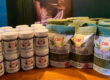
It is important to understand the different forms of CBD available. Mikko’s Choice provides CBD in pellet and tincture form. These formats offer flexible options that can be integrated into daily care routines. While CBD oils, lotions, and balms are often found in other industries, Mikko’s Choice focuses only on ingestible products for horses as topicals are less effective in mammals with hair and fur covering their bodies.
The Agricultural Improvement Act of 2018 federally legalized industrial hemp and its derivatives containing less than 0.3% THC. However, regulations related to animal use may vary, and it’s important to be aware of current guidance before introducing new supplements to equine routines. Specifically as they relate to horse show organizations.
Potential Role of CBD in Supporting Equine Recovery
CBD may support post-training recovery in several areas relevant to seasonal conditioning.
Behavioral Balance
Training periods can create mental stress due to increased workload, travel, and environmental changes. Temporary shifts in behavior, mood, and energy levels are often noted. Some owners report that horses seem more relaxed when CBD is included in their daily regimen. While experiences vary, this area remains one of growing interest among horse owners and wellness professionals.
Body Support
Coming back to work, and staying in work, can be hard on a horses’ body. CBD may help their muscles and joints as they adapt to rigorous exercise routines.
Choosing the Right CBD Product for Horses
Mikko’s Choice offers CBD in two forms tailored for equine use: pellets and tinctures. When considering a CBD product for horses, it’s helpful to keep the following in mind:
Formulation Transparency – Choose options supported by third-party lab testing, verifying cannabinoid content and confirming the absence of contaminants or unwanted compounds.
Product Type and Consistency – Pellets and tinctures are convenient ways to add CBD to feed or give by hand. It simply depends on what is easier for you and what your horse prefers.
Dosing Awareness – Begin with 100 mg, which is 2 scoops of pellets or 1 dropper of tincture, observe how the horse responds over time before making any adjustments.
While observational use is increasing, the body of scientific research specific to horses is still in development. As with any supplement, thoughtful integration and monitoring can help ensure a responsible approach.
Key Considerations for Horse Owners and Trainers
Every horse responds differently to training and care regimens. When exploring options to support recovery, consider the following:
Track physical and behavioral changes during the recovery period.
Coordinate CBD use with proper rest, hydration, and a nutritionally sound diet.
Document any changes in appetite, energy levels, or movement quality when introducing new supplements.
CBD is becoming part of the broader conversation around equine wellness and performance support. It offers one more option for those looking to enhance their horses’ post-training care strategies. By focusing on thoughtful recovery approaches, owners and trainers can support the long-term vitality and comfort of their horses. Mikko’s Choice provides targeted CBD pellets and tinctures designed to fit seamlessly into your care routine, offering a practical addition to your training toolbox.