
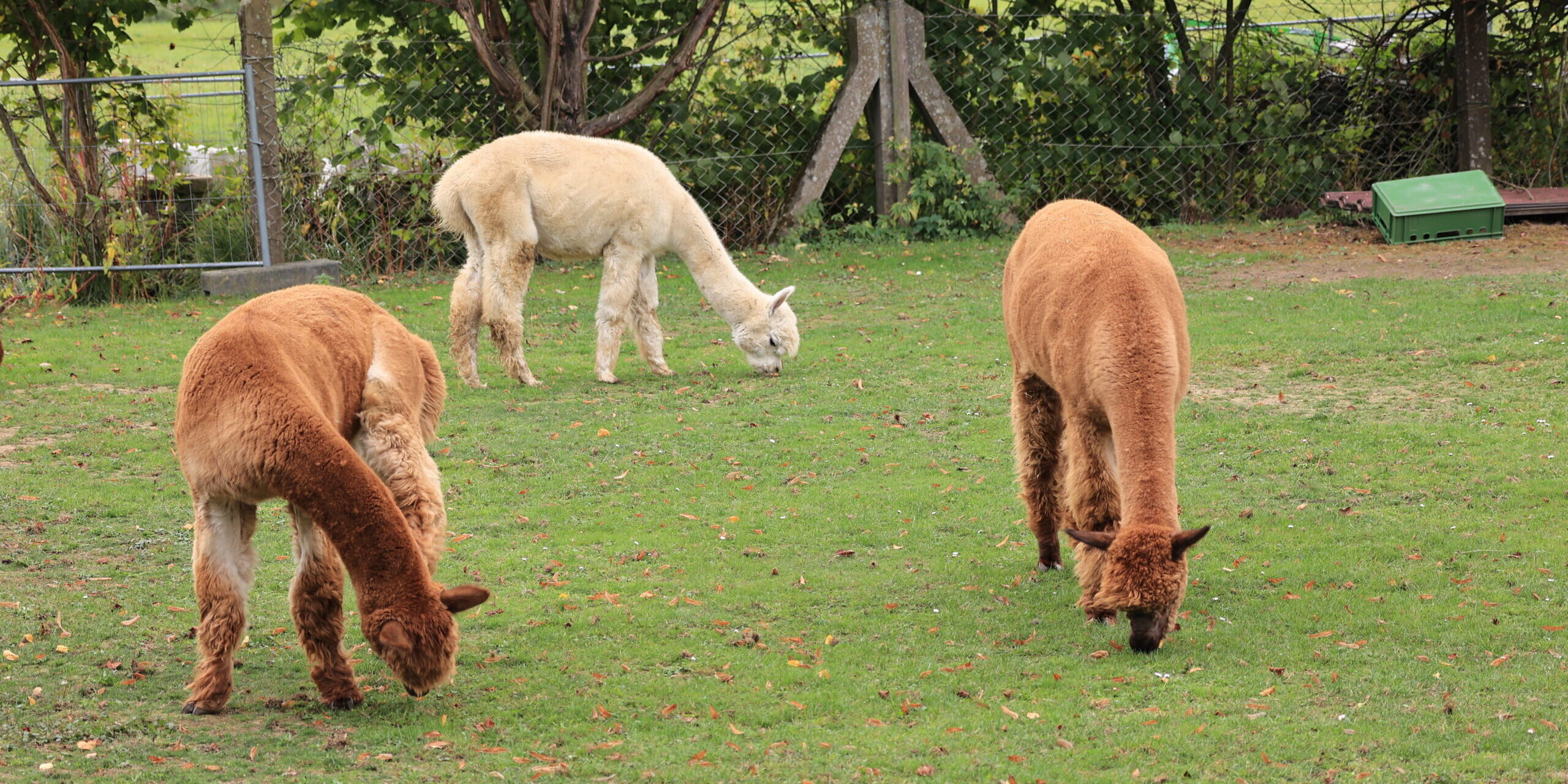
Alpacas have a reputation among their owners for being simultaneously gentle and opinionated, and anyone who has managed an alpaca herd through seasonal routine changes knows that the animals tend to notice even small disruptions to their daily schedule. When Mikko’s Choice owners who keep alpacas talk about adding CBD to their herd’s routine, the conversation almost always comes back to the same theme: keep it simple, keep it consistent, and incorporate it with something the animals are already doing willingly every day.
This guide covers practical strategies for introducing and maintaining CBD supplementation in alpaca herds without complicating the feeding routine or disrupting the herd management approach that is already working.
Understanding the Alpaca’s Relationship With Routine
Alpacas are herd animals with a strong orientation toward routine and a notable sensitivity to changes in their environment, their social group, and their daily schedule. This makes them excellent candidates for routine-based supplement programs because once a new addition has been accepted as part of the normal daily schedule, they tend to maintain that acceptance consistently. It also means the introduction phase benefits from patience and consistency rather than speed.
Unlike goats, which tend to approach new feed additions with immediate curiosity, alpacas are more likely to investigate cautiously and may take longer to accept something new in their feed without hesitation. This is not a problem with the supplement itself. It is simply how alpacas approach novelty, and the introduction strategy should account for it.
The most important factor in a successful CBD introduction for alpacas is choosing a point in their existing routine that the animals are already reliably engaged with, and introducing the new supplement in such a small initial amount that it does not significantly alter the sensory profile of the familiar feed. Starting small and building gradually is not just a courtesy to picky alpacas. It is the strategy that produces the most consistent acceptance across a herd. CBD for livestock, what every farmer should know covers the foundational approach to CBD introduction across livestock species that applies directly to alpaca management.
Choosing the Right Point in the Alpaca Feeding Routine
Alpacas in most barn and pasture management systems receive a combination of pasture forage or hay as their primary feed and are supplemented with a small amount of grain and occasional treats such as apple pieces or other preferred foods. The right addition of CBD in their feeding structure depends on which component each animal is most reliably motivated to finish completely.
Grain or pelleted feed is typically the most reliable way to add CBD because it is the feed component alpacas are most motivated to finish and the component where individual portion control is most practical. Mixing CBD pellets or tincture into grain at each feeding means the supplement is consumed with the feed t that the animal is most likely to eat completely, rather than left behind.
For alpaca owners who do not use grain in their herd’s diet, a small daily treat portion, such as a preferred fruit or vegetable piece, can serve as the CBD attachment point. The treat format works particularly well for building a reliable daily habit because the motivation to consume the treat is high and the association between the routine and the treat is clear to the animal. Alpaca’s often like Mikko’s Choice pellets on their own as well and will eat them from your hand.
The unique benefits of CBD pellets for horses covers the pellet format’s practical advantages for livestock feeding routines that apply well to alpaca management contexts.
Introducing CBD to an Alpaca Herd Step by Step
A gradual introduction over the first week or two gives the herd time to accept the new addition without resistance and gives the owner time to observe how each animal responds.
In the first few days, add a small amount to grain or give it by hand. Over the following days, gradually increase the amount toward the target dose while monitoring that each animal is consuming the supplemented feed completely at each feeding. If any animal begins leaving supplement behind, reduce the amount slightly and build back up more gradually. The goal is seamless acceptance rather than a specific timeline.
Once the full dose amount is being consumed consistently across the herd, maintain that routine without further changes. Consistency from this point forward is what makes the supplement program work over the long term. Understanding the different forms of CBD for animals, pellets versus tinctures, covers format considerations that affect how each delivery method fits into different alpaca feeding setups.
Managing Individual Variation Within the Herd
Alpaca herds typically include animals with different levels of food motivation, different social positions within the herd hierarchy, and different individual sensitivities to new feed additions. Managing these individual differences without creating an overly complicated supplement protocol is one of the practical challenges of herd-level CBD supplementation.
The herd hierarchy is worth accounting for during the introduction phase. Dominant animals in an alpaca herd typically eat first and with the most confidence, and they are often the easiest animals to introduce new supplements to. Lower-ranking animals that eat under social pressure or that wait until dominant animals have moved away from the feeder may need individual feeding arrangements to ensure they receive their supplement reliably.
Individual feeding stations, even simple arrangements where each animal eats from a separate bucket in the same location each day, make it much easier to confirm that every animal has consumed its supplement and to adjust amounts for individual animals without affecting the rest of the herd. Many alpaca owners who manage herds of six or fewer animals find individual feeding stations practical and worth the minor setup effort for the management clarity they provide.
CBD dosing for animals offers practical guidance on thinking through amounts for animals of different sizes that alpaca owners can apply to the size variation common in mixed-age alpaca herds.
Seasonal Considerations for Summer Alpaca Management
Summer presents specific management considerations for alpaca owners because alpacas are particularly sensitive to heat, and their physical and behavioral responses to hot weather affect how supplement routines work in practice.
Alpacas that have been recently shorn are better equipped for summer heat than those carrying a full fleece, but even shorn alpacas benefit from careful attention to environmental conditions during the hottest months. Peak heat hours in the middle of the day typically see reduced feed intake and reduced activity in alpacas, which means supplement timing should favor the cooler morning and evening feeding windows when the animals are most willing to eat normally.
Shearing time in late spring and early summer is also a period of heightened routine sensitivity for many alpacas, and owners who plan to introduce CBD for the first time may find it easier to wait until the herd has settled back into normal post-shearing behavior before starting the introduction rather than layering two new experiences together. The shearing day can be a stressful day in of itself, which makes it a perfect opportunity to give CBD 30-60 mins before they are shorn to help reduce stress.
Maintaining consistent access to fresh, cool water is a fundamental of summer alpaca management that supports overall daily wellness alongside any supplement routine. The combination of good environmental management, consistent feeding timing, and a steady CBD routine provides a stronger wellness foundation than any single element alone. CBD for spring allergies in livestock covers seasonal wellness considerations for livestock that are relevant to summer alpaca management.
Storage and Practical Awareness for Alpaca CBD Routines
Storing CBD products correctly during summer is more important than in cooler months because heat and direct sunlight can affect product quality over time. Keep CBD pellets and tinctures in a cool, dark place, such as a feed room cabinet or a sealed container in a shaded storage area, and ensure the container is sealed between uses to maintain freshness and prevent moisture from affecting pellet quality.
Keeping a simple feeding record that notes which animals receive CBD, in what amount, and at what feeding is a practical awareness tool that pays dividends during busy summer periods when farm demands are highest. A written record means any farm helper or family member can maintain the routine accurately without the owner needing to communicate every detail, and it makes it easy to track consistency over time. A whiteboard in the feed area is a simple and practical way to do this.
For alpaca owners managing a small herd alongside other livestock species, the same CBD products used for horses or other livestock can be used for alpacas, which simplifies purchasing and storage by reducing the number of different products to manage. What to look for when choosing CBD products for your animals covers the product quality considerations that make a difference in consistency and acceptance across different livestock species.
Alpacas at Shows and Off-Farm Events
Alpaca owners who take their animals to fiber festivals, shows, or educational events face the same travel routine challenges that horse and livestock owners navigate, with the added consideration that alpacas can be particularly sensitive to the combination of transport stress, new environments, and disrupted social arrangements.
CBD can be given 30-60 mins before travel to help reduce stress–if they are taking CBD daily, give them that dose or you can double or triple it if needed. It can then be given daily at the event if the animal continues to be stressed. If they typically get CBD daily, or have a maintenance dose established, give that or double or triple it if needed. Once home, they can go back to their maintenance dose.
Maintaining the home CBD routine as closely as possible during travel and at show venues gives alpacas a familiar daily anchor in an otherwise unfamiliar situation. Pack enough CBD for the full event duration plus a few extra days, keep it stored properly during travel, and administer it at the same time and in the same way as at home. The familiarity of the routine itself is part of what makes it valuable in a new environment.
Creating stress-free events for horses with Mikko’s Choice CBD covers the event preparation approach that applies equally well to alpaca owners managing their animals at off-farm events.
Frequently Asked Questions About CBD for Alpacas
Can I use the same Mikko’s Choice CBD pellets for my alpacas that I use for my horses?
Yes. Mikko’s Choice products are designed for use across species, so the same pellets used for horses are appropriate for alpacas. CBD is not dosed based on weight; this is a common misconception. It is like alcohol in humans—every individual is going to have a different tolerance or dose that works for them. Start with 2 scoops of Mikko’s Choice pellets once a day and see how your alpaca responds. Then you can adjust the dose up or down depending on how your alpaca responds. You can also give more situationally if they have an injury or a stressful day. For more specific help, email info@mikkoschoice.com
My alpacas are very suspicious of new things in their feed. How do I get them to accept CBD?
Start with a very small amount mixed thoroughly into a feed that the animals already eat eagerly and reliably finish. The key is to keep the initial addition small enough that it does not significantly change the smell or texture of the familiar feed. Introduce it first to your most food-motivated animals and let consistent daily exposure do the work over several days before increasing toward your target amount. Most alpacas that initially hesitate will accept the supplement without issue once it has been a consistent part of their normal feeding for a week or two. How do I choose the right CBD product covers product selection considerations that affect palatability and acceptance.
Is pellet or tincture format better for alpacas?
Both work well, and the better choice depends on your feeding setup. Pellets mixed into grain are the most common approach because they are easy to portion and require no additional preparation. Tincture can be added directly to grain or to a treat and may work better for individual animals that sort pellets out of their feed. The most important factor is choosing whichever format fits most consistently into your existing routine.
How do I manage CBD amounts for a herd with a large size range, such as crias alongside adults?
Individual feeding stations where each animal eats from its own portion make managing different amounts for different animals most practical. CBD is not dependent on the size of your animal–dosing by weight is a common misconception. Instead, you’ll need to find what works best for each individual. 100 mg of CBD is a good place to start. From there, you can increase or decrease the dose as needed. A simple written feeding record noting each animal’s daily amount keeps the routine clear and consistent.
What is the best time of day to give CBD to alpacas during hot summer weather?
Morning and evening feeding times, when temperatures are cooler and animals are most willing to eat normally, are generally the best times to feed CBD during summer. Alpacas tend to reduce their eating activity during the hottest parts of the day, so timing supplement administration for peak feeding periods ensures reliable consumption.
How should I handle the CBD routine when I take alpacas to a fiber festival or show?
Pack enough CBD for the full event duration, plus a buffer of a few extra days. Store it properly during travel in a cool, dark place away from heat and direct sunlight. Administer it at the same time and in the same way as at home. The consistency of the routine is part of what helps alpacas settle into unfamiliar settings, and maintaining it during events supports that settling process. If they have an established dose at home, use that dose and if they are particularly stressed, you can double or triple it. If they don’t normally take CBD at home, but are stressed by travel and new environments, start with 100 mg of CBD and see how they do. You can adjust daily as needed.
Build the Routine Before the Season Gets Busy
Alpacas respond best to supplements that have become a comfortable part of their daily routine before the demands of the summer season are at their peak. Shop Mikko’s Choice CBD pellets and tinctures and get your herd’s routine established while there is still time to do it gradually and comfortably.