
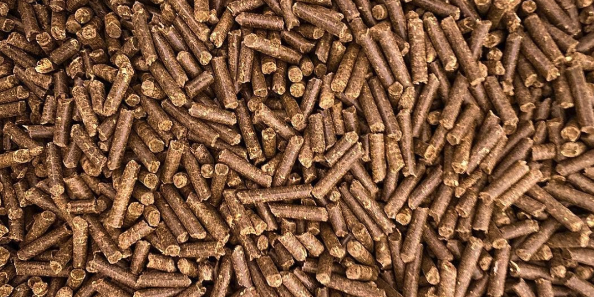
Navigating the Journey of Eco-Friendly Hemp for CBD Production
As the demand for Cannabidiol (CBD) continues to soar, the importance of sustainable agricultural practices in hemp farming has become increasingly paramount. Sustainable hemp cultivation not only aligns with environmental conservation efforts but also enhances the quality of the final CBD products, such as pellets used for therapeutic purposes. This article delves into the comprehensive process of sourcing and producing sustainable hemp for CBD pellets, highlighting the crucial steps involved in ensuring eco-friendliness and sustainability from farm to final product.
The Process of Sourcing Sustainable Hemp
Selecting the Right Seeds
The journey of producing sustainable hemp begins with the selection of high-quality, genetically appropriate seeds. For sustainable cultivation, seeds must be chosen based on their adaptability to local soil and climatic conditions. This reduces the need for chemical interventions and supports natural growth cycles, minimizing the environmental impact.
Emphasizing Organic Farming Practices
Sustainable hemp farming heavily relies on organic practices that eschew synthetic pesticides and fertilizers. Instead, farmers use natural farming techniques such as crop rotation, green manures, and biological pest control. These practices not only maintain soil health and biodiversity but also prevent pollutants from contaminating the ecosystem.
Cultivating Hemp Responsibly
Water Management
Efficient water use is critical in sustainable hemp farming. Techniques like drip irrigation and rainwater harvesting are employed to maximize water efficiency and minimize waste. These methods ensure that the hemp plants receive adequate hydration without depleting local water resources.
Reducing Carbon Footprint
Sustainable hemp cultivation involves strategies to reduce the carbon footprint. This includes using renewable energy sources, such as solar or wind power, for farming operations. Additionally, maintaining a local focus by minimizing transportation distances from the farm to the processing facilities helps reduce overall carbon emissions associated with production.
Processing Hemp into CBD Pellets
Eco-Friendly Extraction Methods
Once harvested, the process of converting hemp into CBD pellets involves extraction methods that are gentle on the environment. Supercritical CO2 extraction, for instance, is a popular method that uses pressurized carbon dioxide to pull CBD from the hemp plant. This method is considered environmentally friendly as it leaves behind no toxic residues and the CO2 is recyclable.
Minimizing Waste During Production
Sustainable production practices also focus on minimizing waste throughout the manufacturing process. By-products and waste materials are either repurposed into other products or handled in ways that do not harm the environment. This approach not only helps in waste reduction but also promotes a circular economy.
Ensuring Quality and Traceability
Third-Party Certifications
To ensure that hemp is genuinely sustainable and the final CBD pellets are of high quality, third-party certifications are crucial. Certifications like USDA Organic, LEED, or Fair Trade verify that the hemp meets stringent sustainability and quality standards from cultivation to processing.
Traceability from Farm to Product
A transparent supply chain is vital in sustainable hemp production. This traceability ensures that every step of the process—from the farm where the hemp is grown to the facility where CBD pellets are produced—is documented and adheres to sustainability standards. This not only boosts consumer confidence but also ensures compliance with environmental regulations.
The production of sustainable hemp for CBD pellets represents a commitment to environmental stewardship and high-quality product development. By integrating sustainable practices from the initial farming phases through to the final production, companies can ensure that their products are both eco-friendly and effective. As consumers become more environmentally conscious, the demand for sustainably produced CBD pellets is likely to increase, further encouraging the adoption of green practices in hemp cultivation and processing.